Historic Lanikai Beach House: The Walker Family Story
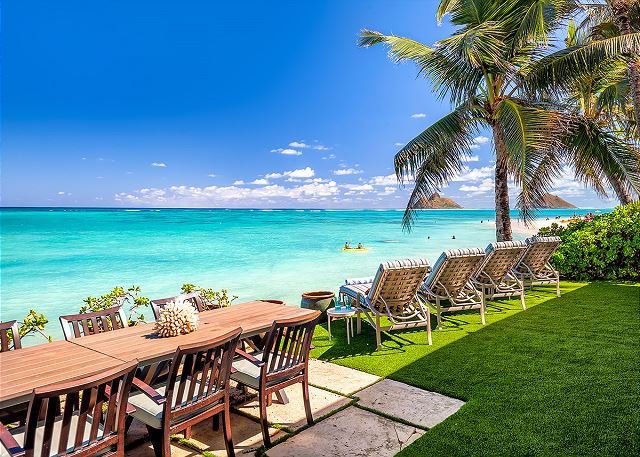
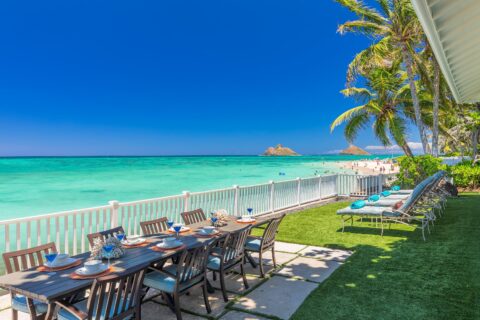
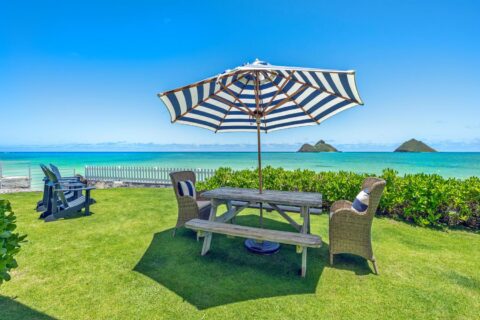
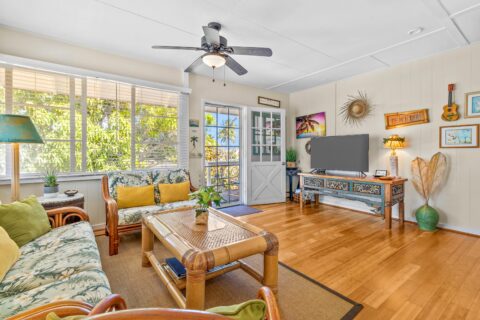
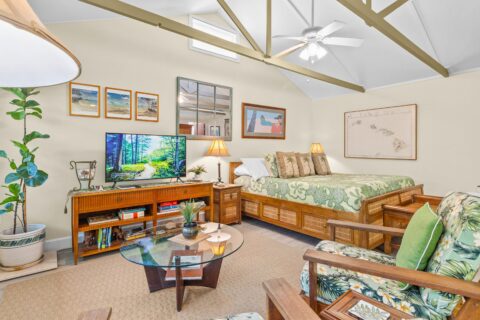
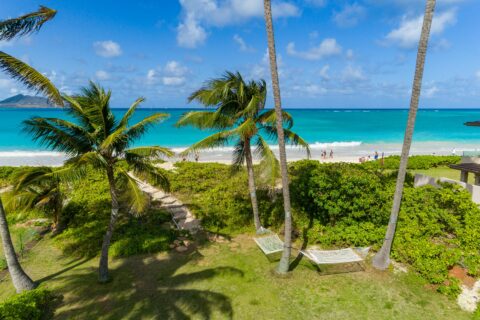
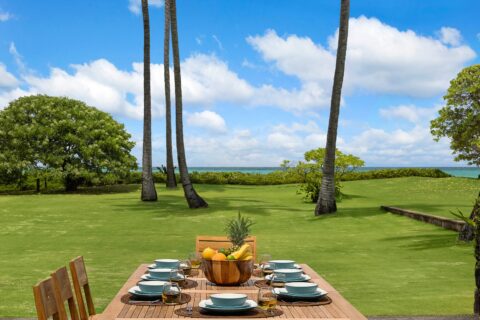
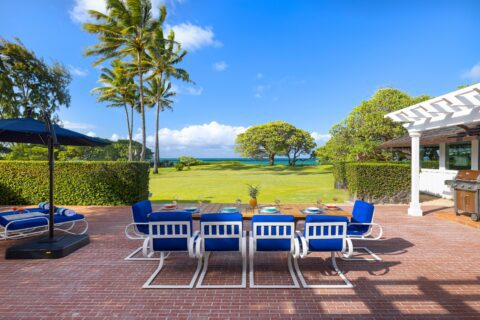
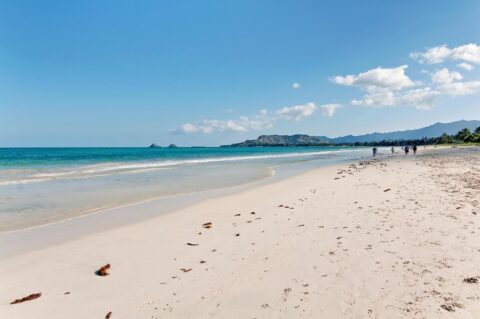
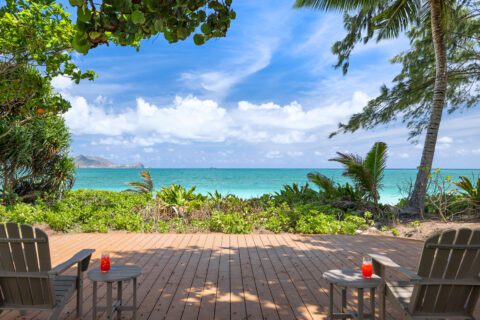
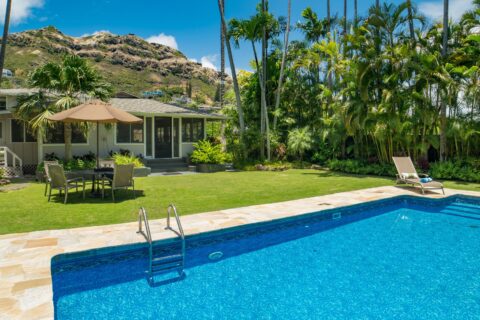
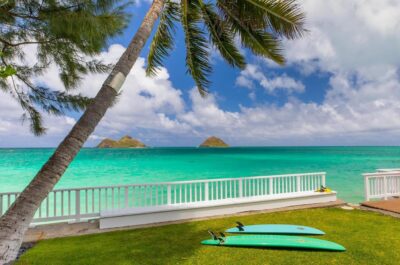
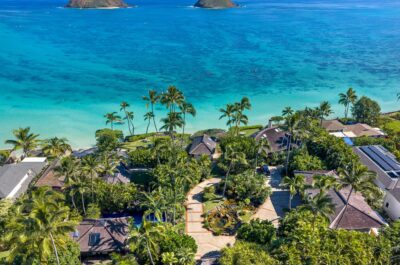
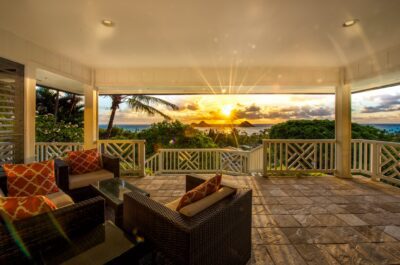
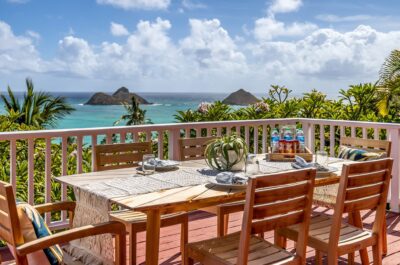
Walker’s Lanikai Beach House is a historic Lanikai beach house at Mokulua Drive. This oceanfront vacation home sits in Kailua, on Oʻahu’s windward coast. A stay here connects guests with John Walker’s family story. It also offers a glimpse of Lanikai’s early development.
For guests planning a visit, view the property listing and request a quote for your dates. Rates and availability vary, so confirm the current accommodation details when making your inquiry. Meanwhile, the history below explains what makes this home distinctive.
Before your stay, explore our Lanikai Beach guide, read more about Lanikai history, and browse Kailua restaurants. You can also compare our licensed Lanikai and Kailua beach homes.
JOHN WALKER: BUILDER, INNOVATOR AND EARLY LANIKAI RESIDENT
JOHN WALKER: FROM SCOTLAND TO HAWAIʻI
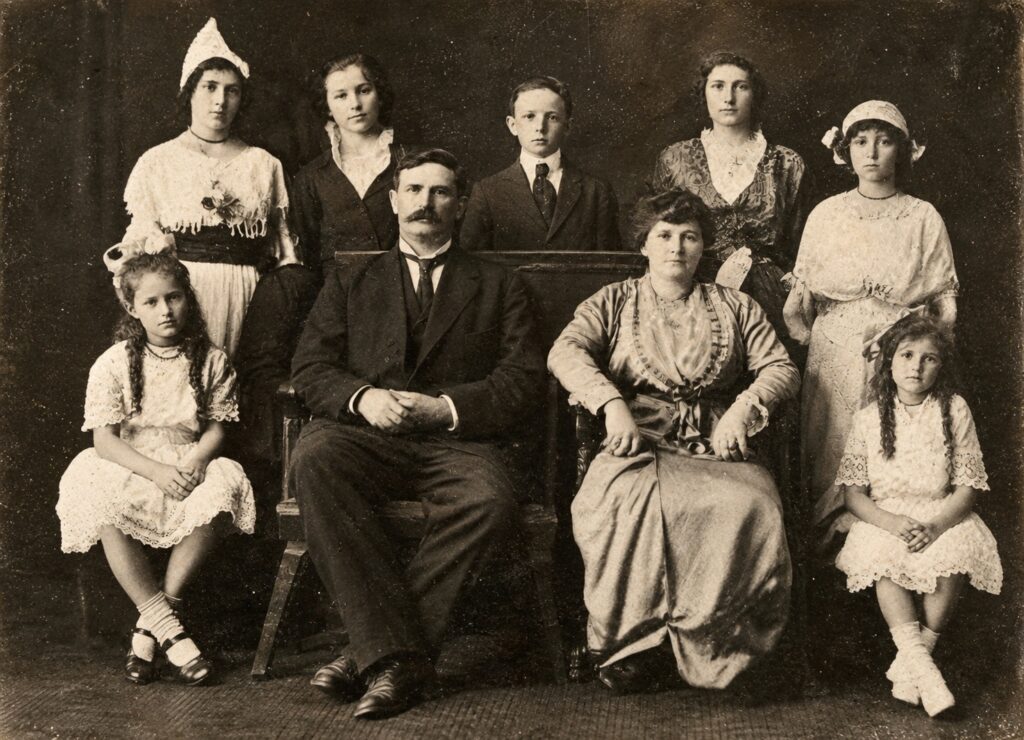
Originally from Scotland, John Walker came to Hawaiʻi during the 19th century. Over time, he became a recognized Honolulu builder and contractor.
He arrived as the Hawaiian Kingdom faced enormous change. Meanwhile, Honolulu grew from a small Pacific capital into a modern city.
Walker’s career spanned the Hawaiian monarchy, the Republic, and the Territorial era. During those decades, Honolulu modernized rapidly.
JOHN WALKER: A BUILDER OF HONOLULU
Walker became closely associated with masonry, concrete construction, public works, commercial buildings, residences, and major civic projects throughout Honolulu.
His contracting work helped create portions of the built environment that defined Honolulu during this period. Historical records connect Walker with major public and private projects. In addition, his company completed extensive concrete and sidewalk work.
Beyond buildings, his company created everyday infrastructure. For example, its work included foundations, sidewalks, curbs, and masonry throughout Honolulu.
WORK ASSOCIATED WITH QUEEN LILIʻUOKALANI
Walker family history also preserves an important connection to Queen Liliʻuokalani. Walker undertook construction during the Queen’s lifetime. This work adds another dimension to his career in a changing Hawaiʻi.
This connection places his career across the Kingdom and Territorial eras. It also illustrates the range of clients who relied on skilled contractors.
STONE, CONCRETE AND WALKER’S BUILDING INNOVATIONS
John Walker was especially accomplished in masonry and concrete construction. His molds reproduced the appearance of natural stone in concrete. As a result, builders could produce architectural elements more efficiently.
For example, decorative molded concrete became one of the recognizable features associated with Walker’s work. Builders used these forms for foundations, footings, walls, and decorative details.
Walker used these concrete techniques in buildings throughout Honolulu. In addition, he incorporated them into his family’s Lanikai property.
WALKER’S PATENTED CONCRETE BLOCK
Walker developed and manufactured a distinctive molded concrete block designed to resemble natural stone. His company produced these blocks during the early 20th century, when concrete construction was becoming increasingly important in Hawaiʻi.
In this way, the material allowed builders to achieve the appearance of rough-cut stone while benefiting from the consistency and practicality of molded concrete.
Walker incorporated these techniques into his historic Lanikai beach house. As a result, the family retreat also preserves examples of his construction work.
THE JOHN WALKER SIDEWALKS
Perhaps no part of Walker’s work entered everyday Honolulu life more completely than his sidewalks.
As Honolulu expanded, contractors added concrete sidewalks along more streets. Walker’s company completed so much work that residents associated his name with the sidewalks.
For example, some surviving sidewalks bear the Walker name in their concrete or curbing. These marks preserve the contractor’s identity.
“POUNDING THE JOHN WALKER SIDEWALKS”
Walker’s sidewalk work became so familiar that his name entered local Honolulu speech.
According to historical recollections, people sometimes asked an unemployed man who employed him. He might jokingly answer:
“John Walker.”
In other words, he was walking the streets looking for work — “pounding the John Walker sidewalks.”
This expression survives as a piece of old Honolulu language. Moreover, it shows how well residents knew Walker’s work.
A FREEMASON
John Walker was also a Freemason. This tradition included many of Hawaiʻi’s business, civic, and professional figures.
In addition, his Masonic affiliation adds another dimension to understanding Walker’s life and the professional and civic circles in which he moved.
Additional lodge records and family documents may provide further detail regarding his lodge membership, positions held, and involvement in Hawaiʻi Freemasonry.
JOHN WALKER COMES TO LANIKAI
Walker became an early property owner in the developing seaside community that would become known as Lanikai.
Much of the area still consisted of open coastal land. Meanwhile, early residents began building cottages and family retreats along Mokulua Drive.
In addition, Walker owned a number of properties in Lanikai and became part of the community during its formative years.
A HISTORIC LANIKAI BEACH HOUSE FROM THE 1920s
Historic-property documentation dates the construction of Walker’s Lanikai Beach House at Mokulua Drive to between 1924 and 1927.
In 2015, the Hawaiʻi Historic Places Review Board added the John Walker Beach House to the Hawaiʻi Register of Historic Places. Read the State of Hawaiʻi’s designation announcement.
The family built this historic Lanikai beach house as the neighborhood began changing. The older Kaʻōhao landscape was becoming a planned residential community.
At that time, Lanikai bore little resemblance to the neighborhood seen today. Roads were primitive, mature landscaping was limited, and only scattered cottages and houses stood along the shoreline.
The Walker house became one of these early residences and remains directly connected to the family that helped establish it.
BUILDING A HISTORIC LANIKAI BEACH HOUSE
The Walker Lanikai Beach House was particularly personal because its builder was also its owner.
Walker used materials and techniques from his professional career at the house. For example, these included molded concrete and stone-like architectural elements.
As a result, these details connect the relatively modest beach house with the much larger body of construction work Walker completed throughout Honolulu.
The residence therefore represents more than an early Lanikai home. It is also part of John Walker’s architectural and construction legacy.
THE WALKER FAMILY’S HISTORIC LANIKAI BEACH HOUSE
This historic Lanikai beach house became a multigenerational family property. Moreover, it remains an important part of the Walker family’s connection to Lanikai.
During the Walker family’s ownership, this historic Lanikai beach house was known as John Walker’s Beach House. Returning guests may also remember it as John Walker’s Lanikai Beach House.
John Walker was the great-grandfather of Monique “Nini” Maxey, Rick’s wife. This connection makes the house part of her family’s Lanikai history.
Today, the property is known as Walker’s Lanikai Beach House. Its original name remains part of the family’s history.
For the family, the history of Lanikai is therefore not simply something preserved in photographs and archives. It is also a personal history of homes, relatives, gardens, and memories. These connections have shaped the family’s life here for generations.
JOHN WALKER THE HORTICULTURIST
One of the most fascinating aspects of John Walker’s life had nothing to do with concrete or construction.
Walker was an enthusiastic horticulturist, plantsman, and prolific hibiscus hybridizer. His interest in flowers became a sustained pursuit. Meanwhile, ornamental hibiscus cultivation was developing across Hawaiʻi.
For example, he cultivated and experimented with numerous hibiscus crosses, selecting plants for characteristics such as flower form, color, size, vigor, and appearance.
THOUSANDS OF HIBISCUS HYBRIDS
Historical horticultural accounts credit Walker with developing an extraordinary number of hibiscus hybrids during his lifetime.
Over time, his collection became known beyond his own garden. Other growers and collections received cuttings from his plants.
As a result, his work contributed to the tremendous diversity of ornamental hibiscus for which Hawaiʻi became internationally known during the early 20th century.
Clearly, this was more than a casual gardening hobby. Hybridizing plants on such a scale required years of experimentation, observation, propagation, and selection.
GARDENS AT THE HISTORIC LANIKAI BEACH HOUSE
Walker’s interest in plants naturally became part of life at the family’s Lanikai property.
Early Lanikai was originally a relatively open, windswept coastal environment. Establishing gardens near the ocean required patience and experimentation with salt, wind, sandy soils, and limited freshwater resources.
For a man already deeply interested in horticulture, the Lanikai property offered another landscape in which to grow, propagate, and experiment with plants.
The gardens therefore became another expression of the same creativity visible in Walker’s construction work — an instinct to build, cultivate, experiment, and improve.
HOW HIS CONTEMPORARIES REMEMBERED HIM
John Walker’s obituary provides an especially valuable contemporary perspective on his life.
Contemporary accounts remembered more than his contracting work. They also recognized his extensive horticultural work and contributions to hibiscus cultivation.
In particular, the obituary and other contemporary records are important because they show how broad Walker’s reputation had become. Buildings, sidewalks, concrete construction, horticulture, and civic life all formed part of the legacy remembered at the time of his death.
A LEGACY BUILT IN STONE — AND GROWN IN THE GARDEN
John Walker left an unusually diverse legacy in Hawaiʻi.
His work survives in Honolulu sidewalks, building foundations, and major construction projects. It also survives in his historic Lanikai beach house.
At the same time, another part of his legacy grew in gardens through the hibiscus plants he cultivated and hybridized.
Few people could claim such different contributions to Hawaiʻi: builder, contractor, concrete innovator, Freemason, property owner, horticulturist, and hibiscus hybridizer.
PRESERVING A HISTORIC LANIKAI BEACH HOUSE
Today, Walker’s Lanikai Beach House provides a tangible connection between this remarkable individual and the early history of the community.
This historic Lanikai beach house dates to the 1920s. Since then, it has witnessed many phases of the neighborhood’s transformation.
In turn, through the Walker family, that history remains connected to Lanikai today.
John Walker’s story reminds us that the history of Lanikai is not simply a story of beaches and beautiful views. It is also the story of the people who built homes here, planted gardens, raised families, created businesses, shaped Honolulu, and left pieces of their lives behind for later generations to preserve.
HISTORIC LANIKAI BEACH HOUSE: SOURCES & REFERENCES
This page draws on historic-property records, archives, newspapers, horticultural accounts, and family records. It also references published research on John Walker and early Lanikai.
- State of Hawaiʻi — John Walker Beach House Historic Property Documentation
- Historic Hawaiʻi Foundation — Walker Beach House, Mokulua Drive
- Historic Hawaiʻi Foundation — John Walker Building
- Hawaiʻi State Archives — Digital Collections
- Lanikai Association — History of Kaʻōhao and Lanikai
Additional sources: Contemporary Honolulu newspaper accounts and John Walker’s obituary; Walker family historical records and oral history; historical horticultural records relating to early hibiscus hybridization in Hawaiʻi.
Family-history material presented on this page supplements published and archival sources and reflects information preserved through generations of the Walker family.