LANIKAI BEACH
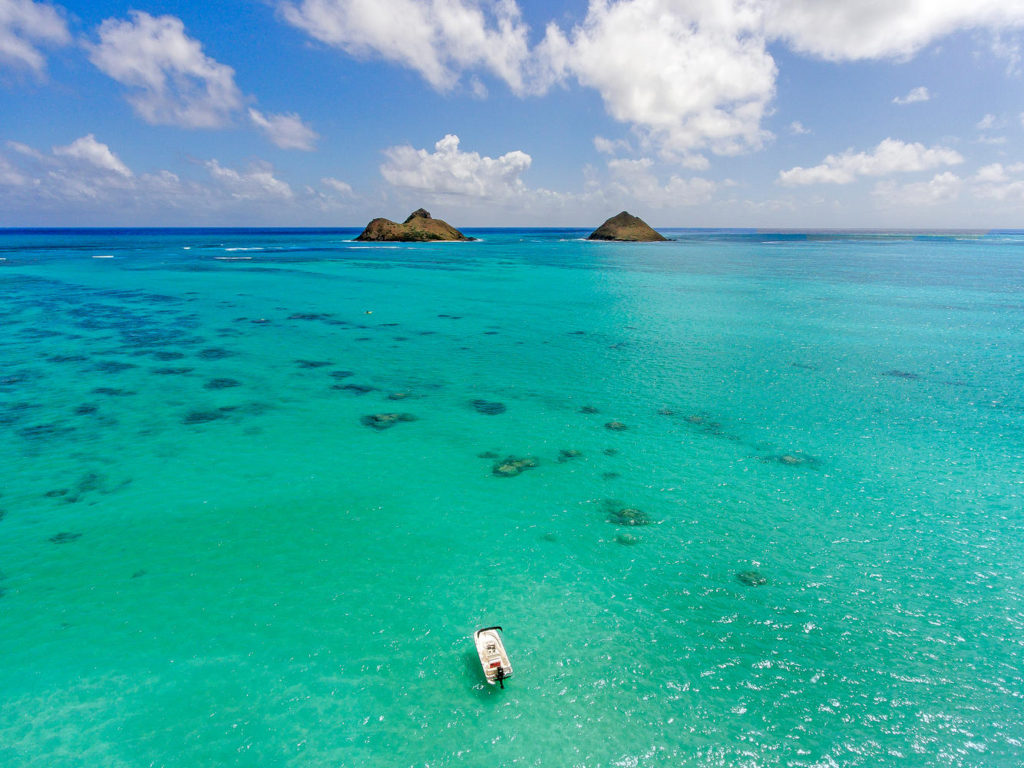
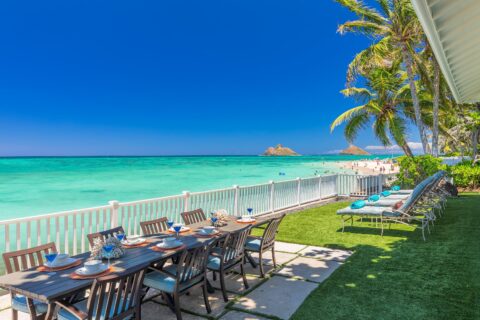
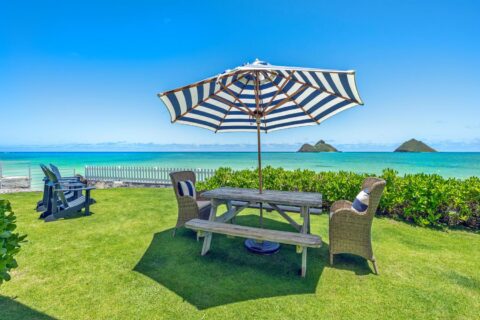
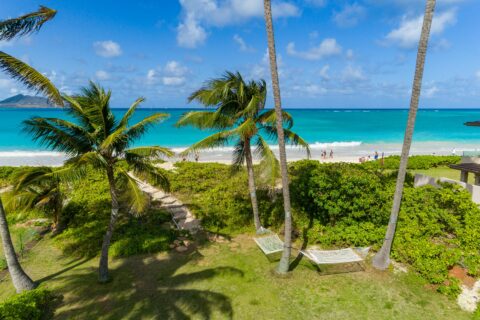
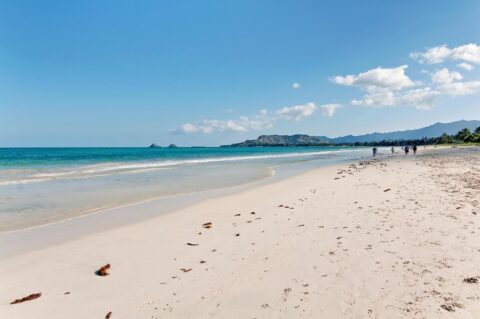
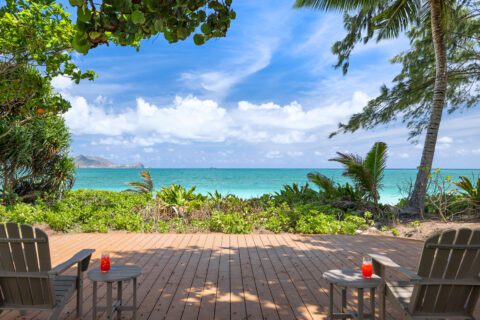
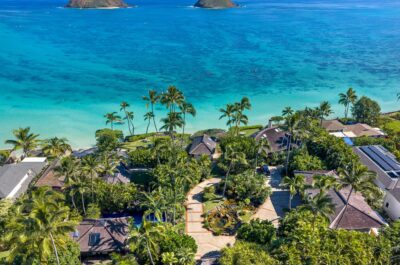
Lanikai Beach is one of the most recognized shorelines on Oʻahu, known for its soft white sand, clear turquoise water, and views of the Mokulua Islands just offshore. This local guide covers beach access, parking, swimming, kayaking, and tips for visiting the shoreline. Located on Oʻahu’s Windward side, the beach is especially popular for swimming, paddling, kayaking, sunrise walks, and enjoying one of the island’s most scenic coastal settings.
WHERE IS LANIKAI BEACH?
Lanikai Beach sits just beyond Kailua Beach Park at the eastern edge of Kailua. Unlike many public beaches, Lanikai has no large beachfront parking lot, restrooms, showers, or formal park entrance.
Visitors reach the shoreline through several public paths between residential properties along Mokulua Drive. These paths form the main Lanikai Beach access points.

WHAT MAKES LANIKAI BEACH SPECIAL?
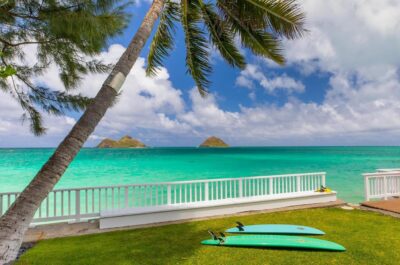
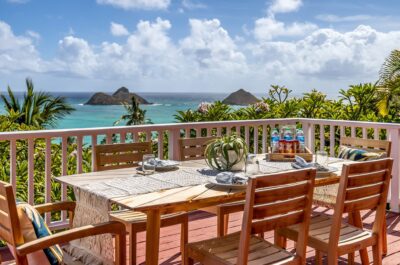
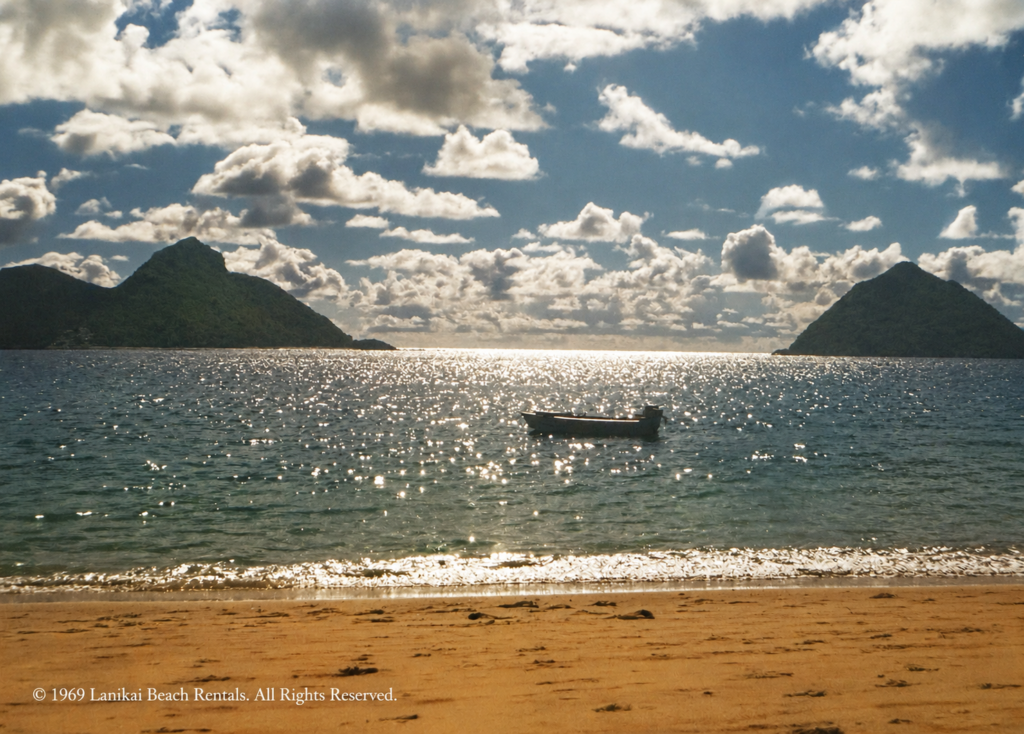
The most distinctive feature of Lanikai Beach is the view toward the Mokulua Islands, commonly called “the Mokes.”
The calm, reef-protected waters and sandy shoreline create a setting that is especially attractive for swimming and paddling. On clear mornings, the sunrise behind the Mokulua Islands can be spectacular.
The water can appear dramatically different depending on weather, tide, wind, and cloud cover—from pale aqua near shore to deeper turquoise farther offshore.
THE MOKULUA ISLANDS
The two offshore islands are among the most recognizable landmarks on the Windward coast.
Experienced kayakers and paddlers sometimes reach the larger northern island, Moku Nui, when conditions permit. The islands provide important seabird habitat, and Hawaiʻi protects them within the State Seabird Sanctuary system.
Visitors should respect posted restrictions, wildlife closures, and protected nesting areas.
LANIKAI BEACH SWIMMING
ALĀLA FISHING SHRINE - Site 18
Alāla is the high point at the northwestern entrance to Lanikai, above the area near today’s Lanikai Monument. The shrine was not a constructed stone temple in the conventional sense. Historical accounts describe it as a natural stone formation regarded as both a fishing shrine and a fish god.
A 1939 informant recorded in Sites of Oahu explained that fishermen at sea would look toward Alāla and Wailea together as visual landmarks to locate productive offshore fishing grounds. In other words, the two elevated shrines functioned almost like traditional range markers: by lining up features on shore, fishermen could relocate known fishing stations at sea.
The archaeological record preserves an especially interesting story. A house was reportedly constructed in front of Alāla, obstructing the shrine’s view toward the sea. According to the 1939 account, the house developed a reputation for misfortune because it disrupted the shrine's relationship with the offshore fishing grounds.
WAILEA FISHING SHRINE - Site 19
At the opposite, southeastern end of Lanikai was Wailea, the companion fishing shrine to Alāla.
Wailea is located on the ridge at the boundary between Kailua and Waimānalo, above the area historically known as Hale Aloha near Bellows. Like Alāla, Wailea was described as a natural shrine rather than a built structure.
Sterling and Summers recorded that fishermen used Wailea, along with Alāla, to identify the best fishing grounds offshore from Kaʻōhao. Both were described not merely as landmarks but as fish gods associated with those fishing grounds.
The place names also connect. The stream that once crossed the southern portion of Lanikai was called Wailea, and its muliwai—where the stream entered the sea—was remembered as an area where fish gathered. Over time, the Wailea name became associated with the nearby point, formerly known as Popoʻokaʻala or Popoʻo. That point, like Alāla, became important to fishermen as a landmark for locating offshore fishing areas.
LANIKAI BEACH KAYAKING AND PADDLING
Lanikai Beach kayaking, stand-up paddling, and outrigger paddling are closely associated with Kailua and Lanikai waters.
Experienced paddlers sometimes travel toward the Mokulua Islands when conditions permit. For Lanikai Beach kayaking, wind matters: trade winds commonly strengthen later in the day and can make the return trip much harder.
Visitors unfamiliar with local waters should consider an experienced local outfitter or guide. Lanikai Beach kayaking is safest when paddlers match the trip to their experience and current conditions.
Before starting any Lanikai Beach kayaking trip, check wind, ocean conditions, and current access rules.
SNORKELING
Lanikai is beautiful for swimming, but it is not necessarily the best snorkeling beach on Oʻahu.
Visibility and marine life vary considerably with tide, wind, swell, and location. Some reef areas lie offshore, but visitors should never stand on or damage coral.
Do not remove sand or coral from the beach.
SUNRISE AT LANIKAI
Sunrise is one of the most memorable times to experience Lanikai Beach.
Because the beach faces east, early morning light often appears behind or near the Mokulua Islands. Conditions are also frequently calmer earlier in the day before stronger trade winds develop.
Visitors should remember that Lanikai is a residential neighborhood and keep noise to a minimum during early morning hours.
FULL MOON OVER LANIKAI
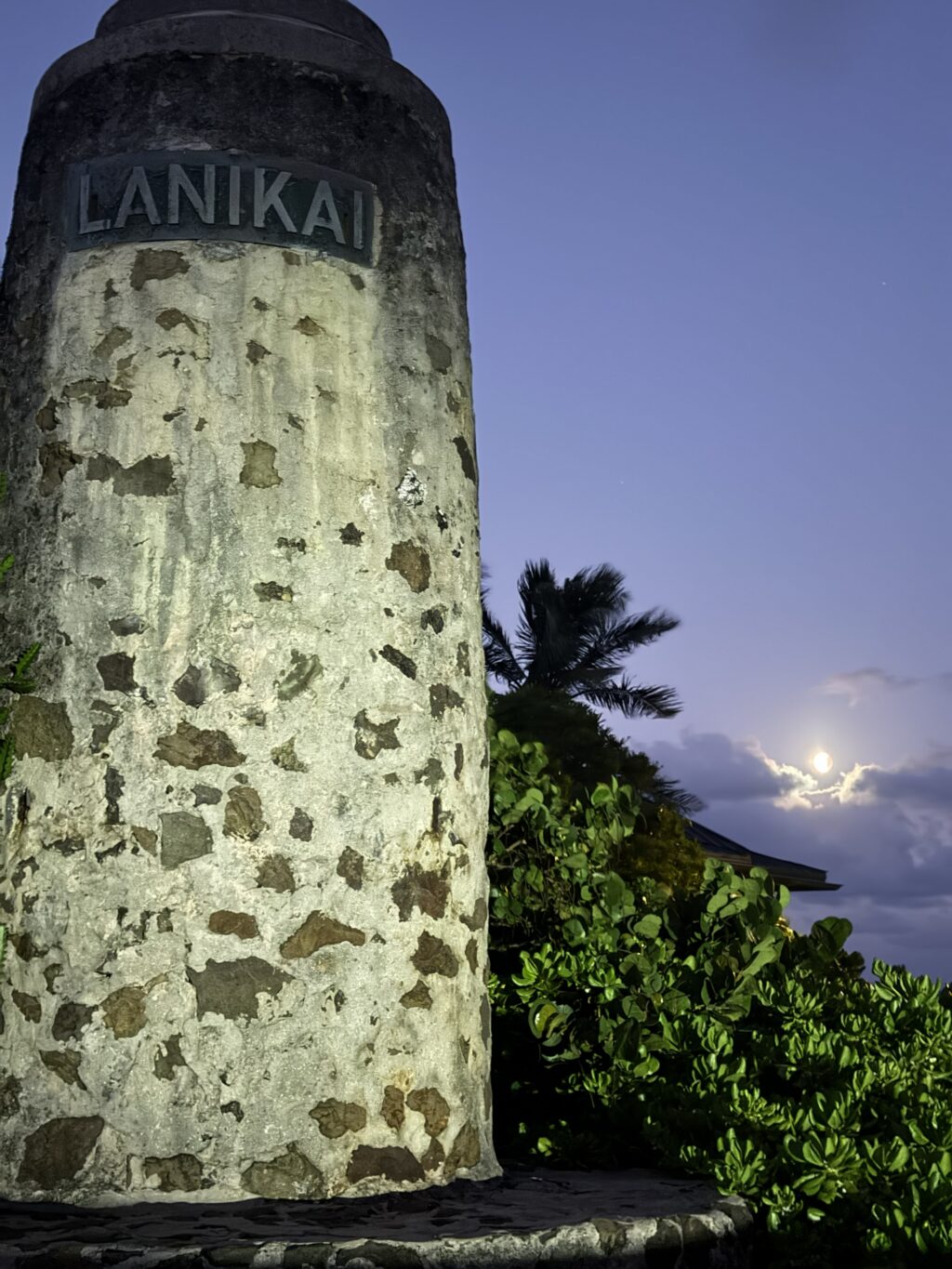
Few sights capture Lanikai quite like a full moon rising over the Windward coast. As daylight fades, the moon often appears above the ocean and surrounding clouds, casting a soft glow across the neighborhood, shoreline, and familiar landmarks.
This image was photographed during the August 27, 2026 lunar eclipse, with the historic Lanikai Monument in the foreground and the eclipsed moon rising through the evening clouds.
Built during Lanikai’s early development in the 1920s, the stone monument has stood at Alāla Point for generations. Seen beneath an eclipsed moon, it creates a remarkable connection between one of Lanikai’s historic landmarks and a memorable celestial event.
Moonrise conditions vary throughout the year, and clouds along Oʻahu’s Windward coast can make every evening different. On clear nights, the combination of moonlight, trade-wind clouds, the ocean, and the Mokulua Islands can create some of Lanikai’s most memorable views.
LANIKAI BEACH ACCESS
Lanikai Beach access comes through public paths located between private homes along Mokulua Drive.
Because Lanikai has no conventional beach-park entrance, visitors can easily miss these accessways. Use designated public paths for Lanikai Beach access and respect adjacent private property.
Good Lanikai Beach access etiquette means staying on the public path, keeping noise low, and avoiding private yards and driveways.
LANIKAI BEACH PARKING
Lanikai Beach parking is extremely limited, and local restrictions apply. Visitors should never block driveways, sidewalks, intersections, fire hydrants, emergency access, or private property.
For Lanikai Beach parking, review current City and County of Honolulu rules before arriving. Enforcement can be active, and available street space changes quickly.
When Lanikai Beach parking is difficult, consider walking, bicycling, rideshare, or another alternative when practical. Planning Lanikai Beach parking before your visit can make arrival much easier.
RESPECTING THE LANIKAI NEIGHBORHOOD & COMMUNITY
Lanikai Beach sits directly beside a residential community.
Visitors can help protect both the beach and neighborhood by keeping noise down, using designated access paths, carrying out all trash, avoiding private property, observing parking restrictions, and respecting wildlife and marine resources.
Respecting Our Lanikai Community! Lanikai is more than a beautiful place to visit—it is a small residential community where generations of families live, work, raise their children, and care for this special place. While you are here, we invite you to experience Lanikai as a guest of the community: slow down, be courteous to local residents, respect private property, keep voices and music considerate, park only where permitted, and leave beaches, paths, and public spaces as you found them—or better. A friendly smile, a little patience, and an awareness that others call this place home go a long way. By visiting with respect and aloha, you help preserve the character of Lanikai and ensure that it remains a special place for residents and visitors for generations to come.
PORTUGUESE MAN-OF-WAR AND JELLYFISH
Trade winds can occasionally bring Portuguese man-of-war onto Windward beaches, including Lanikai.
Their blue or purple floating bodies may be visible near the waterline, while long tentacles can remain capable of stinging even after washing ashore.
Visitors should avoid touching them and check conditions before entering the water.
LANIKAI BEACH WEATHER
Lanikai sits on Oʻahu’s Windward coast, where passing trade-wind showers are common.
Weather can change rapidly. Sunshine can return within minutes after a brief shower, while stronger afternoon trade winds can create choppier water.
Morning hours are often the calmest for swimming and paddling.
LANIKAI BEACH AND KAʻŌHAO
OCEAN SAFETY DISCLAIMER
Ocean conditions at Lanikai Beach and Kailua Beach can change quickly with wind, swell, currents, tides, weather, and seasonal conditions. Calm-looking water can still carry hazards.
Visitors should assess conditions carefully, remain within their own abilities, supervise children closely, and avoid entering the ocean during rough surf, strong winds, poor visibility, or other hazardous conditions. Portuguese man-of-war, jellyfish, sharp coral, rocks, shorebreak, rip currents, and other natural hazards can occur.
Lanikai Beach Rentals does not supervise ocean activities and makes no representations or guarantees about ocean conditions or swimming safety. Guests and visitors enter the ocean at their own risk and should follow posted warnings, lifeguard instructions, official ocean-safety guidance, and weather alerts.
LANIKAI BEACH ACCOMMODATIONS
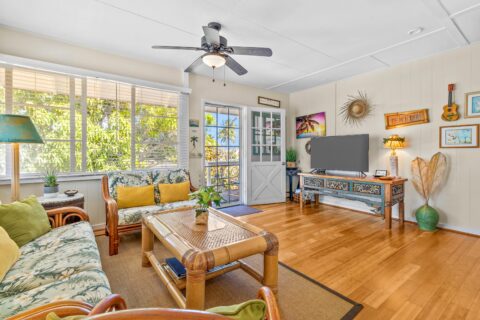
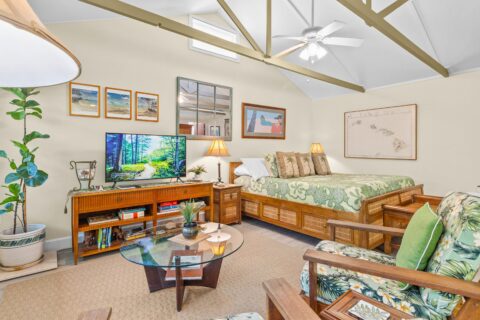
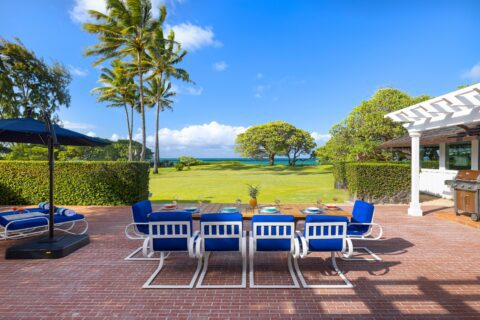
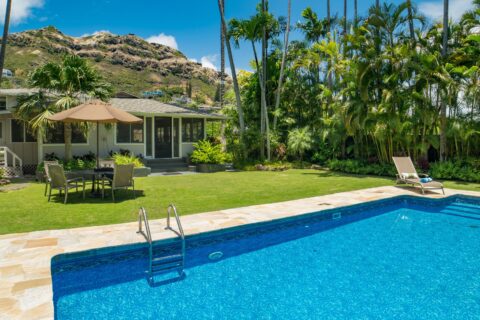
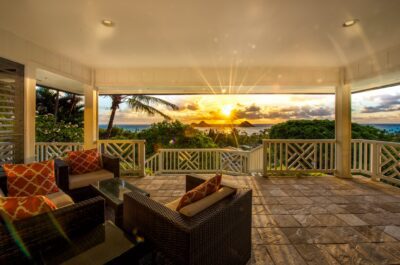
Lanikai Beach Rentals has welcomed guests to Kailua and Lanikai for decades, offering licensed accommodations close to the beaches and communities we call home.
Staying locally lets guests enjoy Lanikai early in the morning and later in the day, after many day visitors have left.